Home design trends change fast. It can be tough to keep up, especially when you’re juggling a busy life. Do you ever feel like your home is stuck in the past?
I get it.
I’ve seen my fair share of outdated spaces. It’s frustrating. But here’s the thing: you don’t have to live with it.
There are simple, practical ways to update your home and make it look fresh.
We’ll cover the latest in interior decorating, gardening, and DIY projects. No need to overhaul everything, and small changes can make a big impact.
Trust me, I know what I’m talking about. I’ve been in this field for years. Have you tried something new and it didn’t work out?
Let’s fix that.
This guide will help you stay current and make your home more stylish and functional. Ready to dive in?
Interior Decorating: Key Trends for 2023
Minimalist Chic
Minimalism is back, and it’s more popular than ever. People are craving simplicity and a clutter-free environment. To incorporate minimalist chic into your home, focus on clean lines, neutral colors, and functional furniture.
It’s about creating a space that feels open and uncluttered.
Bold Colors and Textures
If minimalism isn’t your thing, bold colors and textures can transform your space. Think vibrant hues and rich, tactile materials. A bold accent wall or a statement piece of furniture can make a room feel dynamic and inviting.
Just remember, balance is key, and too much can overwhelm the senses.
Sustainable Materials
Using eco-friendly and sustainable materials is not just a trend; it’s a necessity. According to a recent study, over 70% of consumers prefer products made from sustainable materials. This shift is driven by a growing awareness of environmental issues.
Incorporate materials like bamboo, reclaimed wood, and recycled glass. They not only look great but also reduce your carbon footprint.
ghfghfghfg hfghfghfgh
Sustainability in design isn’t just about the materials. It’s also about the longevity of the design. Choose pieces that are well-made and timeless.
This way, you won’t need to replace them as often, reducing waste and saving money in the long run.
Incorporating these trends into your home can be as simple or as elaborate as you want. The key is to find a balance that suits your style and needs.
Gardening and Landscaping: Creating an Outdoor Oasis
Vertical gardens are a game-changer, especially if you’re working with limited space. They add a touch of green to small balconies and can transform large walls into lush, living art. Plus, they’re a great conversation starter when you have guests over.
Why choose native plants? Well, they’re like the local celebrities of the plant world. They know the climate, pests, and soil better than any exotic import.
This means less fuss and more time for you to enjoy your garden.
Outdoor living spaces are all about making the most of your yard. Think comfy seating, a fire pit, and maybe even some string lights. It’s like turning your backyard into a mini resort. ghfghfghfg hfghfghfgh (I know, it’s a mouthful, but it’s just a fun way to say, “make it cozy and inviting”).
Pro tip: Add a water feature, and it doesn’t have to be fancy. A simple birdbath or a small fountain can bring life and a calming sound to your space.
Trust me, it makes a huge difference.
So, whether you’re going vertical, sticking with the locals, or creating a chill zone, remember to keep it simple and enjoyable. After all, the best gardens are the ones that make you smile every time you step outside.
DIY Home Projects: Transform Your Space with Creativity

Furniture Makeovers: Simple and effective ways to revamp old furniture and give it a new life.
You’d be surprised how a fresh coat of paint or some new hardware can transform a piece. It’s not just about making it look good; it’s about giving it a second chance.
Wall Art and Decor: Creative DIY ideas for wall art and decorative elements that add personality to your home.
Why spend a fortune on store-bought art when you can create something unique? Whether it’s a gallery wall or a custom mural, your space should reflect your style.
Custom Storage Solutions: How to build custom storage solutions to maximize space and reduce clutter.
Clutter is the enemy of a peaceful home. Building your own shelves or cabinets can make a huge difference. Plus, it’s a fun project.
ghfghfghfg hfghfghfgh
I know, I know. You’re thinking, “But I’m not handy.” Trust me, with a little guidance, you can do more than you think.
Pro tip: Start small. A simple shelf or a painted chair can boost your confidence and get you hooked.
understanding ci cd and its role in modern software development
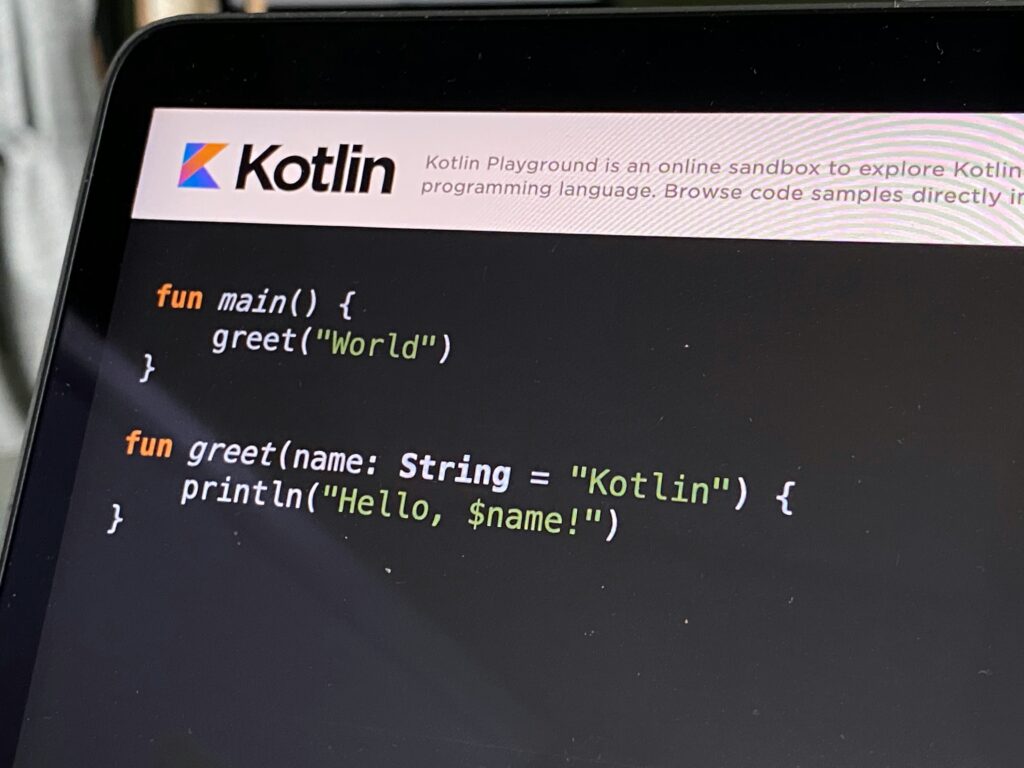
Wait, what’s that link doing here? Sometimes, even in DIY projects, you need to understand the tools and processes. Just like in tech, where continuous integration and continuous delivery (CI/CD) streamline software development, having the right DIY skills and tools can make your projects smoother and more enjoyable.
Sustainable Living Practices: Eco-Friendly Home Design
Let’s talk about energy-efficient appliances. They’re not just a fad; they can seriously cut down on your utility bills. But how do you pick the right ones?
Look for the ENERGY STAR label, and it’s a no-brainer.
Energy-Efficient Appliances
- Choose ENERGY STAR certified products.
- Consider the long-term savings, not just the upfront cost.
- Check the product’s energy consumption ratings.
Water conservation is another biggie, and simple changes can make a huge difference. Fix those leaky faucets and install low-flow showerheads.
Trust me, it adds up.
Water Conservation
- Fix leaks promptly.
- Install low-flow fixtures.
- Collect rainwater for your garden.
Recycling and reusing are more than just buzzwords. They’re practical steps you can take every day. Start by setting up recycling bins in your home.
And don’t forget to repurpose items when you can. That old t-shirt could be your next cleaning rag.
Recycling and Reusing
- Set up recycling bins in your home.
- Repurpose items instead of throwing them away.
- Donate or sell items you no longer need.
ghfghfghfg hfghfghfgh
Incorporating these practices into your daily life and home design isn’t just good for the planet; it’s good for your wallet too. Small steps can lead to big changes, and so, why wait?
Start making a difference today.
Creative Inspirations: Finding Your Unique Style
Mixing different design styles can be a bit tricky. But trust me, it’s worth the effort. You end up with a space that feels uniquely yours, not like a page from a catalog.
Start by picking a dominant style. This will be the foundation of your room. Then, add elements from other styles as accents.
For example, if you love mid-century modern, make that the main theme. Throw in some rustic or industrial pieces to add interest.
Incorporating art and personal mementos is another way to make your space feel personal. Art doesn’t have to be expensive. It can be anything that speaks to you.
A vintage poster, a family photo, or even something you made yourself. These pieces tell a story and make your home feel more like you.
Seasonal updates are a great way to keep things fresh. Swap out throw pillows, change the curtains, or add a new rug. Little changes can make a big difference.
It keeps your space from feeling stale and gives you something to look forward to each season.
ghfghfghfg hfghfghfgh
Remember, your home should reflect your personality and style. Don’t be afraid to mix it up and try new things. After all, it’s your space, and it should make you happy.
Bringing It All Together
ghfghfghfg hfghfghfgh
By revisiting the key trends and tips discussed, it’s clear that creating a home that is both stylish and functional is achievable. Emphasizing sustainability adds a layer of responsibility and innovation to your design.
Following these guidelines, you can craft a living space that not only meets your needs but also reflects your values.
Let your creativity and personal style shine through in every corner of your home.
 Freddie Penalerist writes the kind of gadget reviews and comparisons content that people actually send to each other. Not because it's flashy or controversial, but because it's the sort of thing where you read it and immediately think of three people who need to see it. Freddie has a talent for identifying the questions that a lot of people have but haven't quite figured out how to articulate yet — and then answering them properly.
They covers a lot of ground: Gadget Reviews and Comparisons, Emerging Tech Trends, Practical Tech Tips, and plenty of adjacent territory that doesn't always get treated with the same seriousness. The consistency across all of it is a certain kind of respect for the reader. Freddie doesn't assume people are stupid, and they doesn't assume they know everything either. They writes for someone who is genuinely trying to figure something out — because that's usually who's actually reading. That assumption shapes everything from how they structures an explanation to how much background they includes before getting to the point.
Beyond the practical stuff, there's something in Freddie's writing that reflects a real investment in the subject — not performed enthusiasm, but the kind of sustained interest that produces insight over time. They has been paying attention to gadget reviews and comparisons long enough that they notices things a more casual observer would miss. That depth shows up in the work in ways that are hard to fake.
Freddie Penalerist writes the kind of gadget reviews and comparisons content that people actually send to each other. Not because it's flashy or controversial, but because it's the sort of thing where you read it and immediately think of three people who need to see it. Freddie has a talent for identifying the questions that a lot of people have but haven't quite figured out how to articulate yet — and then answering them properly.
They covers a lot of ground: Gadget Reviews and Comparisons, Emerging Tech Trends, Practical Tech Tips, and plenty of adjacent territory that doesn't always get treated with the same seriousness. The consistency across all of it is a certain kind of respect for the reader. Freddie doesn't assume people are stupid, and they doesn't assume they know everything either. They writes for someone who is genuinely trying to figure something out — because that's usually who's actually reading. That assumption shapes everything from how they structures an explanation to how much background they includes before getting to the point.
Beyond the practical stuff, there's something in Freddie's writing that reflects a real investment in the subject — not performed enthusiasm, but the kind of sustained interest that produces insight over time. They has been paying attention to gadget reviews and comparisons long enough that they notices things a more casual observer would miss. That depth shows up in the work in ways that are hard to fake.