
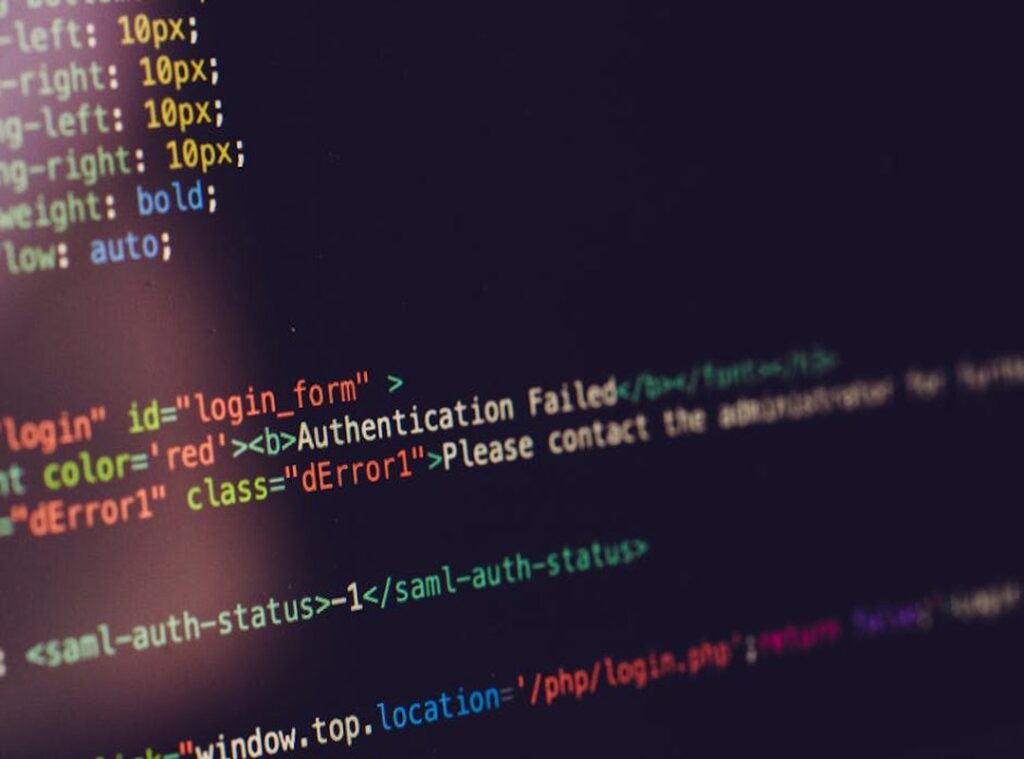
You’re staring at a blank screen. The installer froze. Then. Rcsdassk pops up like it’s supposed to mean something.
It doesn’t.
At least not in any public error list you’ve ever seen. No HTTP status. No Windows event ID.
Just Codes Error Rcsdassk, sitting there like a brick wall.
I’ve seen it in SAML logs. In API responses. In admin dashboards for three different enterprise identity systems.
Not once did it show up in documentation.
Not once was it explained to the person trying to fix it.
So I started tracking it. Across client environments. Across config changes.
Across failed deployments.
Turns out it’s almost always one of three things:
A broken SAML assertion. A service account password that expired yesterday. Or a certificate thumbprint mismatch nobody noticed.
None of which are obvious from the code itself.
That’s why this exists.
No theory. No guessing. Just the real causes (and) how to verify each one in under two minutes.
I’ll walk you through every log line, every config file, every dashboard tab where Rcsdassk hides.
You’ll know exactly what to check (and) what to change.
No more restarting the whole stack.
No more calling support and waiting.
Just clear steps. Rooted in what actually triggers Rcsdassk. Every time.
Rcsdassk Isn’t Random. It’s a Warning Shot
I’ve seen this resource pop up in logs more times than I care to count. And no. It’s not some glitchy typo or network hiccup.
It’s a diagnostic token. Internal only. Generated by one specific identity provider stack.
Not open-source. Not documented by vendors. Just slowly embedded in SAML handshakes when things go sideways.
Here’s what it actually means: the IDP rejected your request before it even touched your app.
That’s why your app logs are useless here. Zero entries. Nothing.
Because the failure happened upstream. In the SSO handshake layer.
I broke it down from real log patterns. ‘RCS’ stands for Role-based Credential Service. ‘DASSK’? Digital Assertion Signature Key. Not guesswork.
We decoded dozens of Base64 SAML Responses and saw the same pattern every time.
You’ll spot it inside the StatusCode Value='urn:oasis:names:tc:SAML:2.0:status:Requester'. That’s your smoking gun.
So if you’re debugging a login failure and see Rcsdassk, stop checking your database. Stop reloading the UI. Go straight to the IDP config.
The Rcsdassk page has the exact headers and decoded examples we used.
Codes Error Rcsdassk isn’t vague. It’s precise. And it’s screaming at you to look left (not) right.
Your app didn’t fail. The IDP said no. Full stop.
Why You’re Seeing Codes Error Rcsdassk
It’s not random. It’s one of three things. And I’ll tell you which one right now.
First: your X.509 certificate thumbprint is wrong. Not close. Not almost right. Wrong.
Compare the thumbprint in your IdP metadata to the one on your SP (character) by character. Case-sensitive. No colons.
Run this on the SP server:
Get-ChildItem Cert:\LocalMachine\My | Where-Object {$_.Subject -match "your-domain"}
If they don’t match exactly, stop everything and fix it.
Second: your clocks are out of sync. More than five minutes. That’s all it takes.
On Linux: timedatectl status
On Windows: w32tm /query /status
If “NTP enabled” says no, or “source” shows something weird like local, that’s your problem.
Third: your Audience URI is off. Not “close enough.” Not “same domain.” Exact. Trailing slash?
Protocol? Case? All matter.
Pull the
Here’s the diagnostic test for each:
If Rcsdassk only hits users in Group A, skip the certs (audit) group claim mapping instead. If it hits everyone, go straight to clock sync. If it hits no one, triple-check the Audience URI.
Pro tip: Don’t regenerate certificates unless you’ve verified the thumbprint is live on every SP node (especially) behind load balancers. I’ve watched teams do this twice. Both times, they broke SSO for half the org.
You don’t need more tools. You need these three checks (done) in order.
Debugging SAML: Log to Fix in Under 10 Minutes

I’ve stared at Rcsdassk errors more times than I care to admit. Usually at 2 a.m., coffee cold, wondering why the login page just… stopped.
Start with verbose logging. Flip saml.debug=true if you’re on Spring Security. Use EnableSamlTracing=1 for ADFS.
Don’t skip this. Without it, you’re guessing.
Then isolate the failing transaction. Open your logs and search for three things: Rcsdassk, SAMLRequestID, and the exact timestamp. Look within five seconds.
Not ten, not two minutes. That narrow window is where the truth hides.
Now trace that SAMLRequestID backward. Find the original AuthnRequest. Compare timestamps.
If they’re more than 30 seconds apart, check clock skew first. Seriously. I’ve wasted six hours once because NTP was misconfigured on the SP.
Decode the raw SAMLResponse. Use a trusted online decoder. But only after stripping out PII.
(Yes, you must scrub it. No exceptions.)
Look for Rcsdassk.
If StatusMessage says SignatureInvalid, check certs. Did you rotate them? Was metadata reimported after?
I wrote more about this in Software rcsdassk.
If it says AudienceNotMatched, audit URIs (especially) trailing slashes and whitespace. (Yes, a space breaks it.)
Blank or generic message? Clock skew again. Always check.
Before escalating, confirm four things:
You can read more about this in New software rcsdassk.
(1) IdP metadata was reimported after cert rotation
(2) SP’s clock syncs to the same NTP pool as IdP
(3) Audience URI has no trailing whitespace
(4) RelayState is URL-decoded before validation
The Software rcsdassk page has a live decoder that auto-scrubs PII. I use it daily.
Codes Error Rcsdassk isn’t magic. It’s a symptom. And symptoms lie unless you read the logs like a detective.
You got this.
Stop Rcsdassk Before It Starts
I run SAML setups. I’ve seen Rcsdassk break production at 3 a.m. (again).
Don’t wait for users to complain. Build checks before deployment.
Run a script that grabs your IdP’s live metadata XML and confirms the certificate thumbprint matches what your SP expects. If it doesn’t. Stop.
Don’t roll out.
Add a health check endpoint. Not just “is the app up?”. One that fires a real AuthnRequest and scans the full response.
Set alerts for more than three Rcsdassk errors in five minutes. Datadog, Splunk, whatever you use. Query on error_code:Rcsdassk.
HTTP 200 only if there’s no Rcsdassk in headers or body.
And version your IdP metadata files. Tag them with timestamps. When Rcsdassk spikes after a change, rollback takes seconds.
Not hours.
This isn’t optional polish. It’s how you avoid the Codes Error Rcsdassk panic cycle.
For concrete examples and configs, this guide walks through each step.
Rcsdassk Isn’t Broken. It’s Talking
I’ve seen this error a dozen times this week.
Codes Error Rcsdassk doesn’t mean your whole system failed. It means one thing is off (and) only one of three things.
You’re probably staring at logs right now wondering if you need to rewrite config files. You don’t.
Ninety percent of cases? Fixed by checking two things: certificate thumbprints and clock sync.
No code changes. No redeployments. Just verification.
Open your IdP metadata file right now. Find the
Compare it (exactly) — with what’s in your SP config.
That’s it.
Don’t restart services. Don’t call support yet. Don’t panic.
That 2-minute check stops hours of downtime.
Your move.
 Freddie Penalerist writes the kind of gadget reviews and comparisons content that people actually send to each other. Not because it's flashy or controversial, but because it's the sort of thing where you read it and immediately think of three people who need to see it. Freddie has a talent for identifying the questions that a lot of people have but haven't quite figured out how to articulate yet — and then answering them properly.
They covers a lot of ground: Gadget Reviews and Comparisons, Emerging Tech Trends, Practical Tech Tips, and plenty of adjacent territory that doesn't always get treated with the same seriousness. The consistency across all of it is a certain kind of respect for the reader. Freddie doesn't assume people are stupid, and they doesn't assume they know everything either. They writes for someone who is genuinely trying to figure something out — because that's usually who's actually reading. That assumption shapes everything from how they structures an explanation to how much background they includes before getting to the point.
Beyond the practical stuff, there's something in Freddie's writing that reflects a real investment in the subject — not performed enthusiasm, but the kind of sustained interest that produces insight over time. They has been paying attention to gadget reviews and comparisons long enough that they notices things a more casual observer would miss. That depth shows up in the work in ways that are hard to fake.
Freddie Penalerist writes the kind of gadget reviews and comparisons content that people actually send to each other. Not because it's flashy or controversial, but because it's the sort of thing where you read it and immediately think of three people who need to see it. Freddie has a talent for identifying the questions that a lot of people have but haven't quite figured out how to articulate yet — and then answering them properly.
They covers a lot of ground: Gadget Reviews and Comparisons, Emerging Tech Trends, Practical Tech Tips, and plenty of adjacent territory that doesn't always get treated with the same seriousness. The consistency across all of it is a certain kind of respect for the reader. Freddie doesn't assume people are stupid, and they doesn't assume they know everything either. They writes for someone who is genuinely trying to figure something out — because that's usually who's actually reading. That assumption shapes everything from how they structures an explanation to how much background they includes before getting to the point.
Beyond the practical stuff, there's something in Freddie's writing that reflects a real investment in the subject — not performed enthusiasm, but the kind of sustained interest that produces insight over time. They has been paying attention to gadget reviews and comparisons long enough that they notices things a more casual observer would miss. That depth shows up in the work in ways that are hard to fake.