
Have you ever heard the term ‘bucking hips’ and wondered exactly what it means? It’s a powerful and rhythmic forward-and-upward thrust of the pelvis, driven primarily by the glute muscles. You might see this movement in fitness exercises, dance routines, or even in more intimate settings.
I’m here to break it down for you, no fluff, just the facts. By the end, you’ll have a complete understanding of the bucking hips meaning and how to do it right.
Anatomy of the Movement: What Is Actually Happening?
Bucking hips is a dynamic form of hip extension combined with a posterior pelvic tilt. It’s a bit more complex than it sounds, and there’s a lot going on under the surface.
- Primary Muscles Involved:
- Gluteus maximus
- Hamstrings
- Lower back erector spinae muscles
These muscles work together to create a powerful, explosive movement.
Now, bucking hips is different from a slow, controlled glute bridge. The key differences are in the speed, power, and often repetitive nature of the motion. Think about the explosive hip drive needed to perform a kettlebell swing or a broad jump.
That’s the kind of force we’re talking about here.
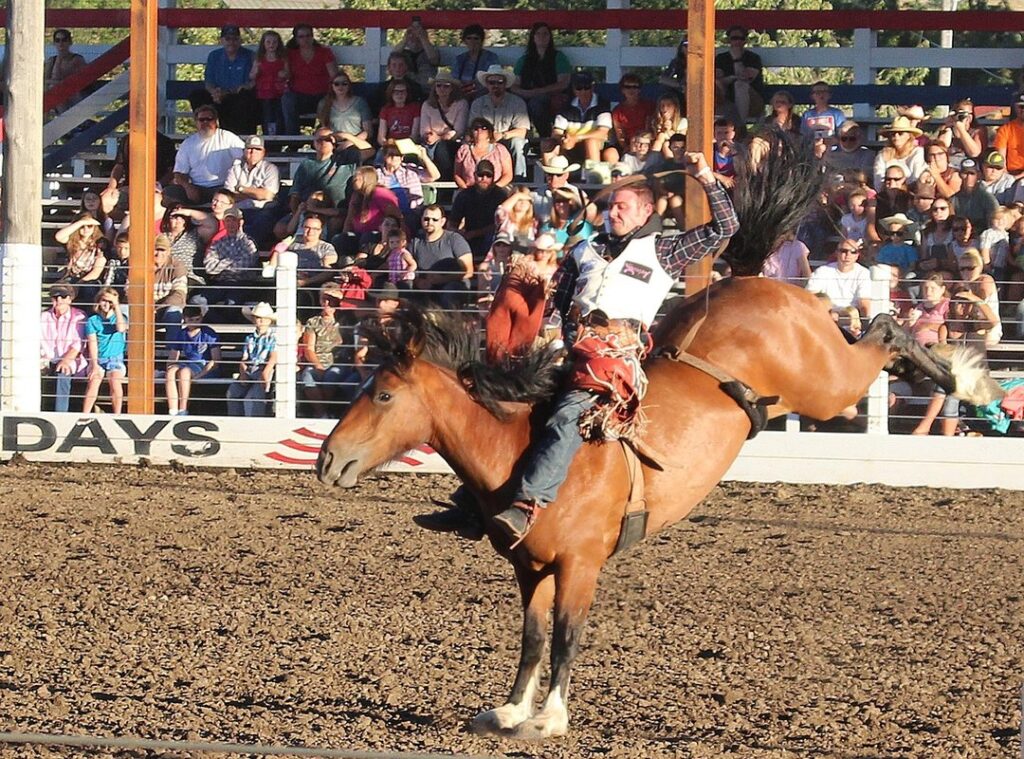
The term bucking itself comes from the powerful, kicking motion of an animal like a horse. It’s a vivid way to describe the forcefulness and intensity of the movement.
I’ll be honest, there’s some debate about the exact mechanics and the best form. Some experts argue that the posterior tilt is crucial, while others focus more on the hip extension. But one thing is clear: the movement is all about generating power and speed.
Common Contexts: Where This Movement is Used
In fitness and athletics, the movement is a staple. You see it in exercises like weighted hip thrusts, where the sensation of the barbell pressing against your hips is unmistakable. It’s all about generating power, and you can almost feel the energy surging through your body.
In dance and performance, it takes on a different life. In styles like hip-hop, reggaeton, or belly dance, this movement creates emphasis, rhythm, and expression. The way dancers use their hips to accentuate beats and add flair is mesmerizing.
You can almost hear the music as they move.
Physical intimacy is another context. Clinically and respectfully, it’s a natural and common movement during sexual intercourse. Often associated with rhythm and pleasure, it’s a deeply personal and powerful experience.
The connection and the sensations are profound.
In physical therapy and rehabilitation, controlled versions of this movement help activate dormant glute muscles. It’s used to correct postural issues like an anterior pelvic tilt. The focus here is on form and function, making sure the body moves correctly and without pain.
The bucking hips meaning changes based on the context. From athletic power to artistic expression to intimate connection, each use highlights a different aspect of human movement.
How to Perform the Motion Safely and Effectively

I remember the first time I tried this movement. I was in a class, and everyone around me seemed to know exactly what they were doing. But I felt like a fish out of water.
Let’s make sure you don’t feel the same way.
Step 1: Brace Your Core
Before you do anything, brace your core, and tightening your abdominal muscles is crucial. It helps protect your lower back from arching, which can lead to pain and injury. bucking hips meaning
Trust me, I’ve been there, and it’s not fun.
Step 2: Initiate with the Glutes
Squeeze your glutes firmly before any movement occurs. This step is often overlooked, but it’s essential for proper form. Squeezing your glutes helps engage the right muscles and prevents other parts of your body from compensating.
Step 3: Drive the Hips Up
Now, drive your hips up. Aim for a straight line from your shoulders to your knees at the peak of the movement. This powerful upward thrust is what makes the exercise effective.
Think of it as “bucking hips” to get that extra push.
Step 4: Control the Descent
Lower your hips back down with control, and don’t just let them drop. Controlling the descent builds muscle and prevents injury.
It’s all about quality over quantity here.
Common Mistakes to Avoid
- Overarching the Lower Back: This can strain your back and reduce the effectiveness of the exercise.
- Not Squeezing the Glutes: Engaging your glutes is key to proper form and maximizing the benefits.
- Jerky, Uncontrolled Movements: Smooth, controlled movements are safer and more effective.
| Step | Action | Tips |
|---|---|---|
| 1 | Brace your core | Tighten abs to protect lower back |
| 2 | Initiate with the glutes | Squeeze glutes firmly |
| 3 | Drive the hips up | Aim for a straight line from shoulders to knees |
| 4 | Control the descent | Lower hips with control, not letting them drop |
By following these steps, you’ll be able to perform the motion safely and effectively. Remember, consistency and form are key.
The Benefits and Potential Risks to Consider
Mastering this movement can do wonders for your posterior chain strength. That means stronger glutes and hamstrings, which is a big deal for improving posture and athletic performance.
Enhanced core stability is another key benefit. When you do it right, the movement forces your core muscles to engage, protecting your spine.
Greater body awareness and coordination are also a plus. This is super valuable in dance, sports, and even daily life. You’ll notice a difference in how you move and feel.
But let’s talk about the risks. The main one is lower back strain or injury. This happens when you use your back muscles instead of your glutes.
It’s a common mistake, especially if you’re new to the movement.
| Benefit | |
|---|---|
| Benefit | Description |
| Increased Posterior Chain Strength | Stronger glutes and hamstrings improve posture and athletic performance. |
| Enhanced Core Stability | Engages core muscles, protecting the spine. |
| Greater Body Awareness | Improves coordination, valuable in dance, sports, and daily life. |
If you feel it more in your lower back than your glutes, stop and reset your form. This simple tip can save you from a lot of pain and potential injury.
Bucking hips is a term you might hear around the gym. It’s all about using the right muscles—your glutes, not your back. Keep that in mind as you practice.
Demystifying the ‘Bucking Hips’ Motion
bucking hips meaning is a powerful, glute-driven movement, not a complicated or mysterious technique. Its significance is entirely dependent on the context, whether it’s for building strength in the gym or expressing rhythm on the dance floor. Always lead with the glutes and keep the core engaged for safety and effectiveness.
With this understanding, you are now empowered to recognize, perform, or interpret the movement correctly.
 Nancy Shockleyear has opinions about technology news and updates. Informed ones, backed by real experience — but opinions nonetheless, and they doesn't try to disguise them as neutral observation. They thinks a lot of what gets written about Technology News and Updates, Gadget Reviews and Comparisons, Expert Opinions is either too cautious to be useful or too confident to be credible, and they's work tends to sit deliberately in the space between those two failure modes.
Reading Nancy's pieces, you get the sense of someone who has thought about this stuff seriously and arrived at actual conclusions — not just collected a range of perspectives and declined to pick one. That can be uncomfortable when they lands on something you disagree with. It's also why the writing is worth engaging with. Nancy isn't interested in telling people what they want to hear. They is interested in telling them what they actually thinks, with enough reasoning behind it that you can push back if you want to. That kind of intellectual honesty is rarer than it should be.
What Nancy is best at is the moment when a familiar topic reveals something unexpected — when the conventional wisdom turns out to be slightly off, or when a small shift in framing changes everything. They finds those moments consistently, which is why they's work tends to generate real discussion rather than just passive agreement.
Nancy Shockleyear has opinions about technology news and updates. Informed ones, backed by real experience — but opinions nonetheless, and they doesn't try to disguise them as neutral observation. They thinks a lot of what gets written about Technology News and Updates, Gadget Reviews and Comparisons, Expert Opinions is either too cautious to be useful or too confident to be credible, and they's work tends to sit deliberately in the space between those two failure modes.
Reading Nancy's pieces, you get the sense of someone who has thought about this stuff seriously and arrived at actual conclusions — not just collected a range of perspectives and declined to pick one. That can be uncomfortable when they lands on something you disagree with. It's also why the writing is worth engaging with. Nancy isn't interested in telling people what they want to hear. They is interested in telling them what they actually thinks, with enough reasoning behind it that you can push back if you want to. That kind of intellectual honesty is rarer than it should be.
What Nancy is best at is the moment when a familiar topic reveals something unexpected — when the conventional wisdom turns out to be slightly off, or when a small shift in framing changes everything. They finds those moments consistently, which is why they's work tends to generate real discussion rather than just passive agreement.